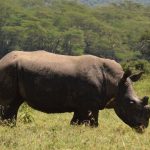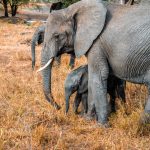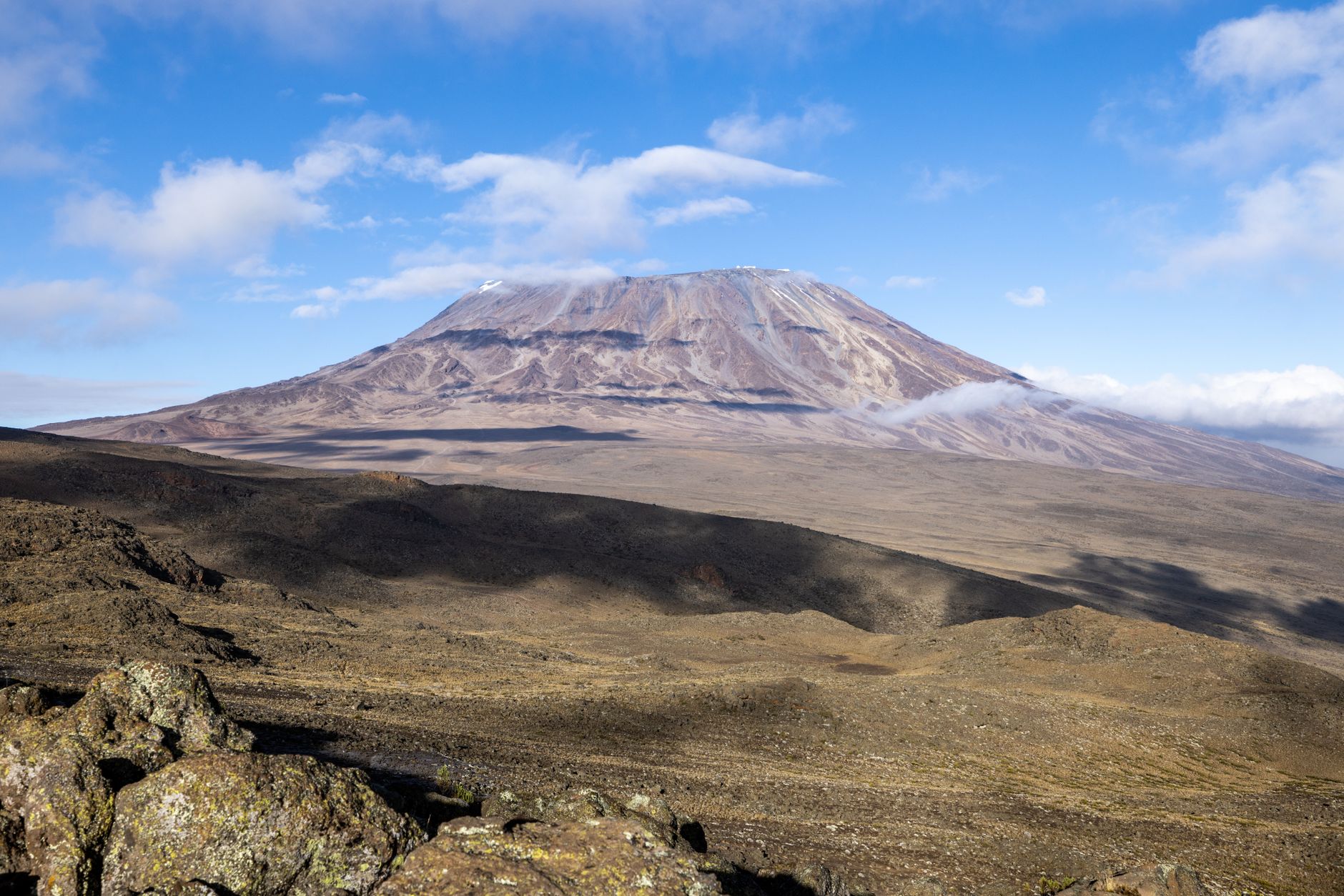
A Kilimanjaro safari for older travelers doesn’t need a single hiking boot. From Amboseli National Park in southern Kenya, you can watch Africa’s tallest mountain rise over the plains from a safari vehicle, often with elephants walking across the foreground. There is no trekking permit, no altitude exposure, and no six-day climb up a mountain. Just clear mornings, short game drives, and a lodge veranda with one of the best views in Kenya.
Is a Kilimanjaro Safari Realistic for Older Travelers?
A Kilimanjaro safari for older travelers means viewing the mountain from Amboseli National Park, not climbing it. Nearly the entire experience happens seated in a safari vehicle or on a lodge veranda. There’s no trekking, no altitude exposure, and no minimum fitness level. Travelers with limited mobility can do this comfortably with the right lodge and pacing.
That last part matters most. Not every Amboseli lodge or every itinerary is built for a slower pace. Some properties are spread across large grounds with long walks between the room and the dining area. Others sit right on the water where wheelchairs and walking aids move easily. The mountain itself asks nothing of you. The planning around it is where the real decisions happen.
Where Can You See Kilimanjaro Without Climbing It?
Amboseli National Park, on Kenya’s side of the border, gives the clearest ground-level views of Kilimanjaro’s snow cap, especially with elephant herds in the foreground. Bordering conservancies like Kimana Sanctuary and Selenkay extend the same views with fewer vehicles, private game drives, and easier road access than the main park circuit.
An Amboseli Kilimanjaro safari works because of geography, not luck. The park sits almost directly north of the mountain, close enough that on a clear morning the summit fills the sky without a telephoto lens. Kimana Sanctuary and Selenkay Conservancy border the park and share the same sightline, but with a fraction of the vehicle traffic and generally shorter access roads from the lodges to the viewing areas. If you’re weighing this against other parks, how Amboseli compares to Tsavo is worth reading before you settle on a route, since the two are often combined into one trip.
What Is the Best Time of Year for Clear Kilimanjaro Views?
Kilimanjaro’s summit is most consistently visible at dawn during Kenya’s dry seasons, late June to October and late December to March, when skies stay clear before midday haze builds. Afternoon views are unreliable year-round, so scheduling drives for the first two hours after sunrise gives the best odds regardless of season.
This is the detail most general safari advice skips. Even in peak dry season, cloud tends to build around the peak by mid-morning and rarely clears again until the following dawn. If seeing Kilimanjaro matters to you as much as the wildlife, ask your lodge to schedule the first game drive of the day around sunrise rather than a leisurely mid-morning start. The best time to see Kilimanjaro from Amboseli is genuinely a matter of hours, not just months.
How Physically Demanding Are the Game Drives?
Game drives involve sitting in an open-sided 4×4 for two to four hours at a time on graded but sometimes bumpy tracks, with step-up entry rather than stairs. Older travelers can shorten drive length, request vehicles with a lower step-in height, or swap long road transfers for a short scenic flight into Amboseli instead.
Most vehicles used in Amboseli have a pop-up roof and a single step or running board to climb in from. If knees or balance are a concern, ask your operator in advance for a vehicle with a lower entry point, and request a driver-guide who is comfortable keeping drives shorter and less bumpy. The road transfer from Nairobi runs several hours each way on a mix of tarmac and rougher stretches near the park. A short scenic flight avoids that entirely and is worth the extra cost for anyone who tires easily on long drives.
Which Camps Near Amboseli Work Best for Senior Travelers?
Look for ground-level tented camps with no stairs, private verandas facing Kilimanjaro, walk-in showers, and reliable power for medical equipment like CPAP machines. Camps bordering Kimana Sanctuary and Selenkay Conservancy typically offer these features along with shorter transfer distances from the airstrip than lodges deeper inside the main park.
Before booking, ask directly about step-free access from the room to the dining area and pool, not just inside the room itself. Some older Amboseli lodges were built decades ago with raised walkways and multiple staircases between buildings, which can be tiring even for otherwise fit travelers. For a clearer sense of what to actually check, what step-free access actually looks like on safari covers the same questions in a different park, and most of it applies here too. If you’re planning a senior safari in Kenya around a fixed medical routine, confirm power supply hours with the camp. Some smaller tented camps run on generator power for part of the day rather than continuous electricity.
The table below compares Amboseli to Masai Mara, Kenya’s other headline park, on the factors that matter most for older travelers.
| Factor | Amboseli | Masai Mara |
|---|---|---|
| Drive from Nairobi | Indicative range: 4-5 hours by road | Indicative range: 5-6 hours by road |
| Flight from Nairobi | Roughly 30-45 minutes | Roughly 45 minutes to 1 hour |
| Elevation | Below 1,200 meters | Roughly 1,500-1,800 meters |
| Kilimanjaro views | Yes, most mornings in dry season | Not visible |
| Typical single game drive length | 2-4 hours | Often longer, 3-5 hours |
For a fuller side-by-side, masai-mara-vs-amboseli breaks down more of the wildlife and terrain differences between the two.
What Health, Altitude, and Insurance Details Should You Check?
Because this itinerary stays under 1,200 meters elevation, altitude sickness isn’t a concern the way it is on a Kilimanjaro trek. The real planning points are malaria prevention, travel insurance covering medical evacuation, and confirming lodge power access for medication refrigeration or CPAP use before booking.
Amboseli sits well below the elevations where altitude becomes a factor, so this is one of the more accessible safari destinations in Kenya from a health standpoint. That doesn’t mean skipping the usual precautions. Talk to a travel clinic about malaria prevention before you go, and pack any regular medication with a few extra days’ buffer in case of travel delays. Insurance is the part most older travelers underestimate. Many standard policies exclude medical evacuation from remote areas or cap coverage for pre-existing conditions. Before you book, check your policy’s evacuation exclusions rather than assuming a general travel policy will cover a lodge two hours from the nearest hospital.
How Many Days Do You Actually Need at Amboseli?
Three to four nights at Amboseli, split between two properties, is enough to catch at least one clear morning view of Kilimanjaro without exhausting travel days. Pair it with a low-mileage add-on like Tsavo rather than a long transfer to the Mara, keeping daily driving time under two hours.
This pacing gives you two or three sunrise attempts at the mountain, which matters given how weather-dependent the view can be. Splitting the stay across two camps, one closer to the park’s main swamp system and one nearer Kimana or Selenkay, also varies the scenery without adding long transfer days. If you want to extend the trip, tsavo-safari-guide is a sensible next stop, since the road connection is shorter than most other park pairings and keeps daily driving time reasonable. For a broader sense of what a trip like this costs, kenya-safari-cost breaks down typical price ranges by lodge tier.
What Do Older Travelers Often Ask?
Can you see Kilimanjaro from a safari in Kenya?
Yes. Amboseli National Park in Kenya sits directly across the border from Kilimanjaro and offers some of the clearest ground-level views of the mountain, often with elephant herds in the foreground. No entry into Tanzania and no climbing is required to see it.
Is Amboseli or Serengeti better for older travelers?
Amboseli is generally better for older travelers because it’s compact, has shorter drive distances between lodges and game-viewing areas, and adds the draw of Kilimanjaro views. The Serengeti requires longer transfers and covers far more ground, which adds travel fatigue over a multi-day trip.
Do you have to be fit to go on safari?
No. A game-drive-based safari requires no hiking or physical exertion beyond stepping in and out of a vehicle, so it suits travelers with limited mobility or stamina. Fitness only becomes a factor if you add a walking safari or a Kilimanjaro trek to the itinerary.
What is the best month to see Mount Kilimanjaro from Amboseli?
Late June through October and late December through March are the most reliable windows, since Kenya’s dry seasons bring clearer skies and less cloud buildup around the peak. Even in these months, early morning offers far better visibility than afternoon.
Do I need special travel insurance for a safari as a senior?
Standard travel insurance often excludes medical evacuation or pre-existing condition coverage unless you add it specifically, which matters more for older travelers. Check the policy’s exclusions before booking rather than assuming a general travel policy covers a remote safari lodge.
Where Can You Book This Safari?
TouringInsights does not book safaris directly. This guide is built to help you compare accessible Amboseli itineraries and lodges, then book through an operator who can confirm the details, like step-free access and power supply, that matter most for older travelers. Compare options on the partner platforms listed below before you commit to an itinerary.
Where Can You Find More Safari Planning Resources?
- Amboseli map and guide from SafariPure
- Map of Amboseli from Valley Safaris
- Amboseli destination guide on FindMySafari
TouringInsights is a planning guide, not a booking agent, so the next step is comparing what different operators actually offer for this route. Sites like FindMySafari, Valley Safaris, and Trunktrails Safaris let you compare safari operators side by side on Amboseli-specific itineraries, lodge accessibility, and pacing options. Browse packages on any of these platforms and check the details in this guide, step-free access, power supply, and drive lengths, against what each operator confirms before you commit.